About

Brittany McConnell (she/her/they)
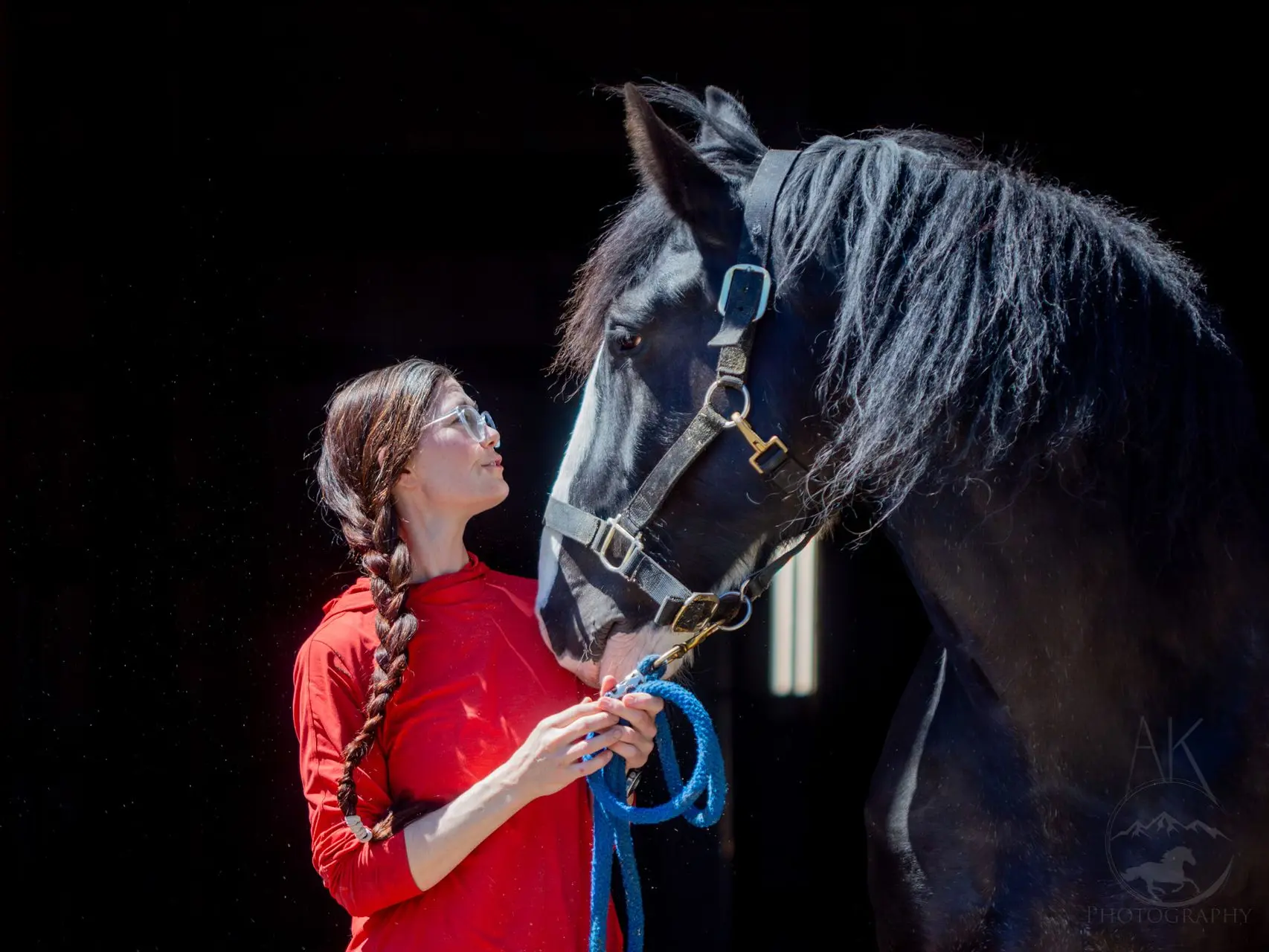
Hello, I'm glad you're here. I do equine bodywork, including Equine Structural Integration, massage, stretching, and biomechanics. My goal is to rebalance your horse back to their natural movement through this transformative method of bodywork.
I practice Equine Structural Integration with a deep-rooted passion for enhancing equine well-being. With a background in equine body language and communication, Tellington Touch, Connected Riding, alignment-based yoga, meditation, martial arts, Qigong, biomechanics, and fascial study, I bring this knowledge and experience to refine the art and science of equine bodywork.
I employ a holistic approach to address imbalances and enhance the biomechanics of horses. I combine technical expertise with a profound understanding of equine body language and communication, promoting optimal movement and overall health and wellbeing in every session.
As a practitioner committed to continual learning, I am certified through the Nation Board for Certification of Animal Acupressure and Massage (NBCAAM). I hold a license as a Large Animal Massage Therapist with the Washington Department of Health (LAMT License #61665751). This certification and license show I have passed the most rigorous of training and testing available to large animal massage therapists in the United States. Washington State is one of only two states that require licensure. To pass these standards I have acquired over 400 hundred hours of training and two years of practicum with professionals and mentors in the field. I then passed a rigorous national examination with the certifying body which tested my knowledge of Anatomy & Physiology, Kinesiology, Animal Pathology, Massage Theory and Practice, Safety, Behavior, Business, Ethics, and First Aid. This examination is allotted five hours and must be completed in one sitting with no notes or assistance. I found it to be a very useful process and I am proud of this achievement.
Through my practicum and studies, I have successfully balanced horses’ structures and cleared behavioral issues through a client-centered approach that values the unique needs of each horse.
Beyond the barn, I am an advocate for equines and their unique needs in our human world. I enjoy educating equine guardians in equine body language as a way to deepen understanding, connection, and the importance of structural integration for the well-being and performance of their equine companions. I am also an ambassador for Positive Reinforcement training and all it offers the relationship we have with the animals in our lives. I am dedicated to and driven by a profound love for horses and a commitment to foster their physical, mental, and emotional harmony.
Embark on a journey towards equine wellness with Unbound Equine, where expertise meets compassion, and every session is tailored to bring out the best in your horse.
ABOUT
Unbound Equine
At Unbound Equine, the mission is clear: to help horses move, perform, and live with greater ease, balance, and vitality. Through Equine Structural Integration, I offer specialized, holistic bodywork that addresses your horse’s unique needs. I often see this work free horses from physical restrictions and help them reach their full potential. With a science-based approach that integrates movement, fascia release, and cooperative care methods, this work creates lasting change that supports your horse’s well-being on every level.
Our Philosophy
As a passionate advocate for holistic care, I believe in a compassionate, individualized approach for each horse. Whether your horse is facing movement issues, recovering from injury, or you simply want to improve their overall comfort and performance, my goal is to bring out the best in your equine partner.
By focusing on Equine Structural Integration, I work to rebalance alignment, release tension, and enhance movement patterns that are often overlooked in traditional therapies. Each session is designed to restore balance, strengthen core muscles, and improve overall performance—allowing your horse to move freely and confidently.
Why Choose Unbound Equine?
- Expert Care: With training in Equine Structural Integration, I apply a holistic approach backed by science and a deep understanding of the horse’s anatomy and movement patterns.
- Cooperative Care Approach: Your horse’s comfort and emotional well-being are my top priority. I work patiently with each horse to build trust and create a positive experience.
- Personalized Service: As a one-person operation, I take the time to understand your horse’s specific needs and customize each session to ensure lasting results.
- Local to Northwest Oregon: Based in the Pacific Northwest, I am dedicated to serving the equine community in Oregon and beyond, helping horses and their guardians achieve long-term health and happiness.
Let’s Work Together
At Unbound Equine, I’m committed to your horse’s health and well-being. If you’re ready to see your horse thrive with the support of Equine Structural Integration and holistic bodywork, get in touch today. Let’s begin the journey to better movement, balance, and overall vitality.

Elevate Your Horse's
Performance
Balance
Well-Being
with Equine Structural Integration.
Structural Integration was pioneered by Dr. Ida P. Rolf, a biochemist and visionary in the field of human movement. Dr. Rolf believed that the body functions best when aligned with gravity, and her groundbreaking work focused on the fascia—an intricate web of connective tissue that influences posture, movement, and overall health. She discovered that by releasing restrictions in the fascia, the body could find natural balance, allowing for ease, strength, and fluidity in motion.

Originally developed for people, Structural Integration has been adapted for horses to address their unique anatomical and biomechanical needs. Horses are masters of movement—designed for speed, agility, and grace—but modern lifestyles, repetitive patterns, and injuries can create restrictions in their fascial systems. Equine Structural Integration applies Dr. Rolf’s principles to help horses restore harmony in their bodies, improve their performance, confidence, and well-being.
Grounded in science yet deeply compassionate, this work isn’t just about movement; it’s about freedom for a horse to move, breathe, and express their true potential.
Session One: Laying the Foundation for Transformation
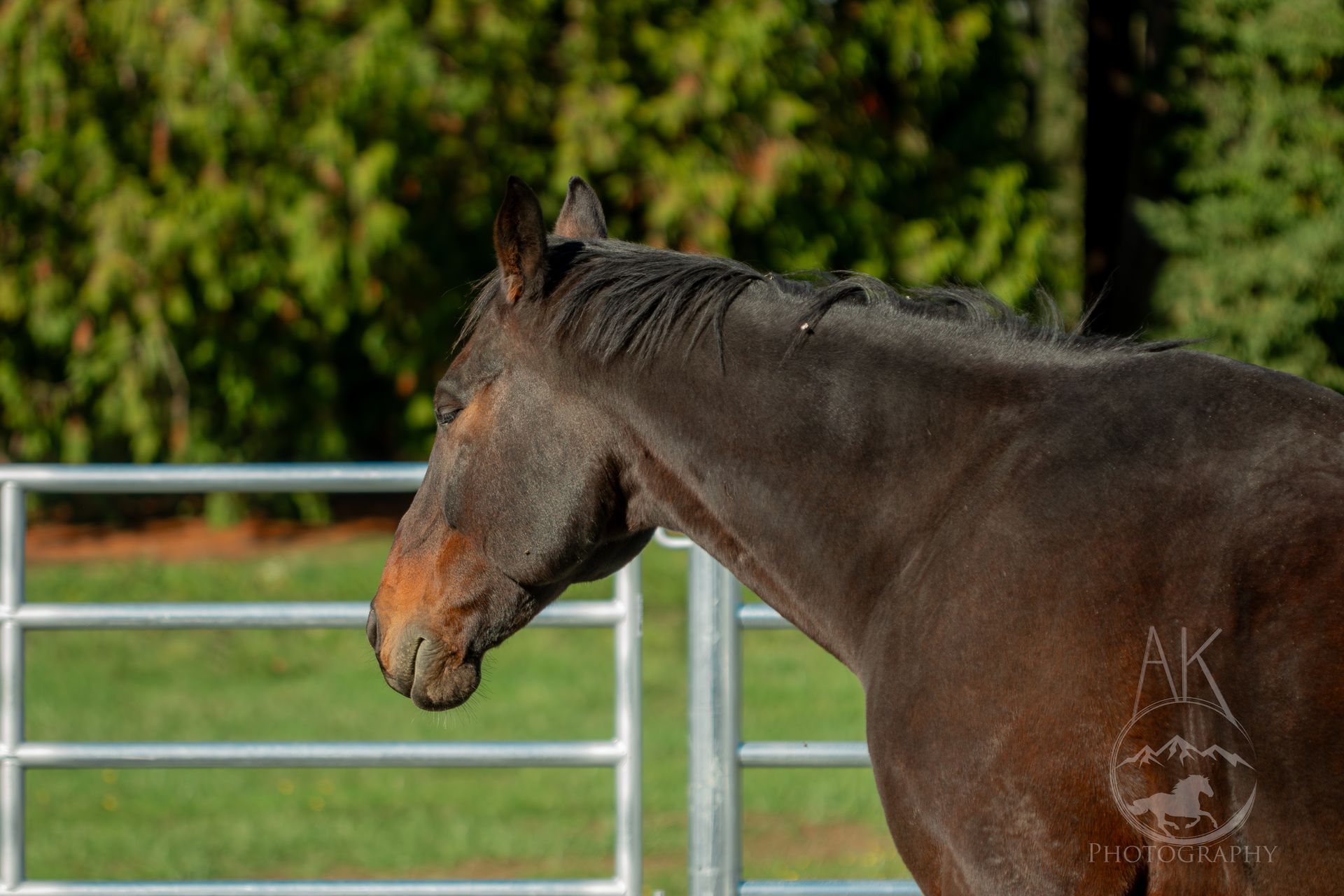
The first session of the Equine Structural Integration (ESI) series is all about setting the stage for your horse’s journey toward improved balance, movement, and well-being. This session introduces your horse to the process, focuses on assessing their individual needs, and begins gently releasing foundational restrictions to prepare the body for deeper work in subsequent sessions.
Purpose of Session One
- Assessment and Connection:
The journey starts with understanding your horse. In this session, we observe your horse’s posture, movement, and demeanor to identify areas of tension, imbalance, or restricted motion. By building a sense of trust and connection with your horse, they experience a cooperative, fear-free environment that allows for a more effective and enjoyable experience. - Releasing Surface Restrictions:
Session one focuses on the superficial layers of fascia, the connective tissue that influences posture and movement. By addressing these layers first, we prepare the deeper structures for later work, helping your horse ease into the process without overwhelm or discomfort. - Encouraging Relaxation and Awareness:
This session is as much about physical release as it is about helping your horse become aware of their body. By releasing initial restrictions, your horse begins to feel changes in their posture and movement, sparking the body’s natural ability to self-correct.
Benefits of Session One
- Improved Circulation: Opening up superficial layers helps increase blood flow and lymphatic drainage, promoting better overall health.
- Tension Relief: Your horse will start to feel relief from long-held tension, often displaying signs of relaxation like yawning, licking, or chewing.
- Foundational Realignment: By addressing imbalances in the superficial fascia, we set the groundwork for more comprehensive realignment in future sessions.
- Trust Building: This gentle, collaborative approach fosters trust between your horse and their guardian, as well as between your horse and the practitioner.
- Enhanced Movement Awareness: Even after the first session, many horses show improved comfort in their movement, often standing more squarely or walking with greater fluidity.
Session one is the beginning of a profound transformation for your horse, creating a solid foundation for balance, performance, and well-being. It’s an essential first step toward unlocking their full potential and helping them thrive—inside and out.
Curious to see how Structural Integration can help your horse? Start with session one and experience the difference.
Typically one week before session two.
Session Two: Building Strength and Balance
The second session of the Equine Structural Integration (ESI) series dives deeper into the process of rebalancing your horse’s body. With the foundation set in session one, this session addresses deeper fascial layers, particularly in areas that support movement and stability, such as the shoulders, hips, and core.
- Continue building trust with the horse.
- Evaluate changes from the previous session.
- Clear tension in shoulders, hips, hindquarters and legs.

Purpose of Session Two
- Deeper Fascial Release:
This session targets the deeper layers of connective tissue to address restrictions that affect your horse’s range of motion and overall mobility. By working through these deeper layers, I help your horse begin to move with greater ease and fluidity. - Strength and Symmetry:
The focus shifts to helping your horse distribute weight evenly and develop balanced muscular engagement. This session supports the connection between front and hind ends, creating a more integrated, harmonious movement pattern. - Encouraging Greater Participation:
Many horses begin to actively participate in their bodywork during this session, moving, stretching, or shifting in ways that signal where they feel release and relief. This collaborative interaction strengthens trust and deepens the impact of the work.
Benefits of Session Two
- Enhanced Mobility: Restrictions in major movement areas, like the shoulders and hips, are gently addressed, leading to noticeable improvements in stride length and coordination.
- Improved Balance: As the horse begins to engage more evenly across their body, they develop a more stable and confident stance.
- Increased Range of Motion: By addressing deeper restrictions, the session supports freer, more fluid movement, allowing your horse to move with purpose and grace.
- Building Strength: This session lays the groundwork for developing core strength and overall muscular balance, which is essential for long-term performance and well-being.
By session two, many horses begin to show marked changes in their posture, movement, and demeanor. They often feel more comfortable in their own bodies, allowing them to engage more fully with their environment and training.
Every session is tailored to your horse’s individual needs, ensuring they receive the support and care necessary to thrive. If your horse is ready to take the next step toward balance and strength, session two is where transformation truly begins to take shape.
Typically one to two weeks before performing session three.
Session Three: Connecting Front to Back
The third session of the Equine Structural Integration (ESI) series focuses on front end and hind end. This session works to integrate the foundational alignment established in the first two sessions, improving coordination and proprioception throughout the entire body.

Purpose of Session Three
- Enhancing Core Engagement:
This session supports the development of your horse’s core strength, which is critical for balance and movement. By releasing restrictions along the topline, shoulders, and hips, I help your horse better connect their front and hind ends, creating a more integrated and efficient movement pattern. - Improving Proprioception:
Proprioception, or body awareness, is key to confident and purposeful movement. This session encourages your horse to become more aware of their entire body, from head to hoof, improving their ability to navigate terrain and engage in training. - Refining Coordination:
With restrictions released and alignment progressing, your horse’s movements begin to feel smoother and more connected. This session works to refine that coordination, fostering a sense of flow in every stride.
Benefits of Session Three
- Improved Alignment: Deeper work on the topline, core, and hindquarters enhances your horse’s posture and ability to carry themselves with balance.
- Smoother Transitions: Many horses begin to move more fluidly between gaits, with less resistance or hesitation.
- Enhanced Strength: By building on the work of previous sessions, this session continues to support the development of strength in key areas, especially the core and hindquarters.
- Greater Body Awareness: Your horse may begin to place their hooves more deliberately, stand squarely, and move with increased confidence.
By the end of session three, your horse’s movement is becoming more fluid, purposeful, and connected. This session often marks a turning point in the series, where noticeable changes in posture and performance take hold. Your horse may feel more comfortable engaging in work or play and begin showing a willingness to explore their new range of motion.
Session three is about integration—bringing the pieces together so your horse can move as a unified whole. It’s an exciting step in the journey toward balance, strength, and well-being.
Typically two to three weeks before session four.
Session Four: Enhance Fluidity and Build Resilience
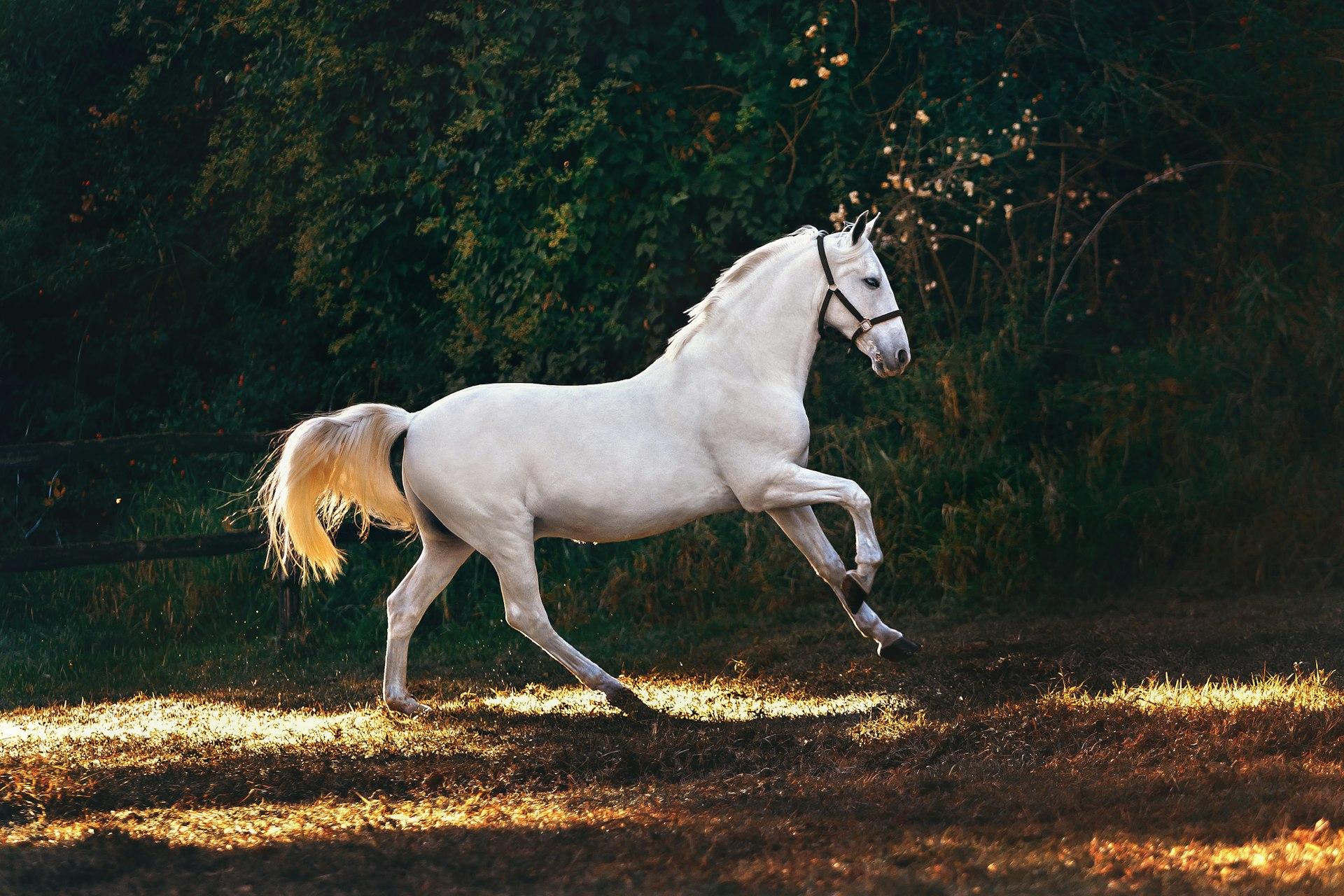
The fourth session of the Equine Structural Integration (ESI) series focuses on deepening the work accomplished in the previous sessions. This stage addresses more complex patterns of restriction and enhances your horse’s ability to move with strength, flexibility, and ease. Session four often unlocks new levels of freedom and resilience, setting the stage for long-term transformation.
- Perform movement assessment.
- Assess changes from previous session.
- Identify and release remaining tension identified in movement assessment.
Purpose of Session Four
- Addressing Deeper Patterns:
This session targets areas of the body where restrictions may have been long-held or interconnected with larger patterns of imbalance. By unraveling these deeper layers, I help your horse access their full range of motion and strength. - Refining Integration:
Session four is about refining the connection between all parts of your horse’s body—front to back, top to bottom, and side to side. This integration ensures that your horse moves as a cohesive whole, improving their ability to perform and thrive. - Enhancing Resilience:
With improved alignment and freedom of movement, your horse begins to develop greater resilience. This means they’re better equipped to handle the physical and emotional demands of their environment, whether it’s training, performance, or play.
Benefits of Session Four
- Greater Range of Motion: Deep restrictions are released, allowing for fuller, more fluid movement in all directions.
- Increased Stability: Your horse gains improved stability in movement and posture, helping prevent strain and injury.
- Deeper Relaxation: Many horses show increased relaxation and engagement, with visible signs of comfort and well-being.
- Optimized Performance: This session enhances your horse’s ability to perform tasks with precision, confidence, and grace.
By session four, many horses experience a profound shift in how they move and interact with their environment. Their strides become longer and more deliberate, their bodies feel lighter, and their overall demeanor often reflects a sense of ease and confidence.
Session four is about breakthroughs—helping your horse reach new levels of freedom, resilience, and well-being. It’s a transformative step on their path to thriving in every aspect of life.
Typically three to four weeks before session five.
Session Five: Solidify Transformation
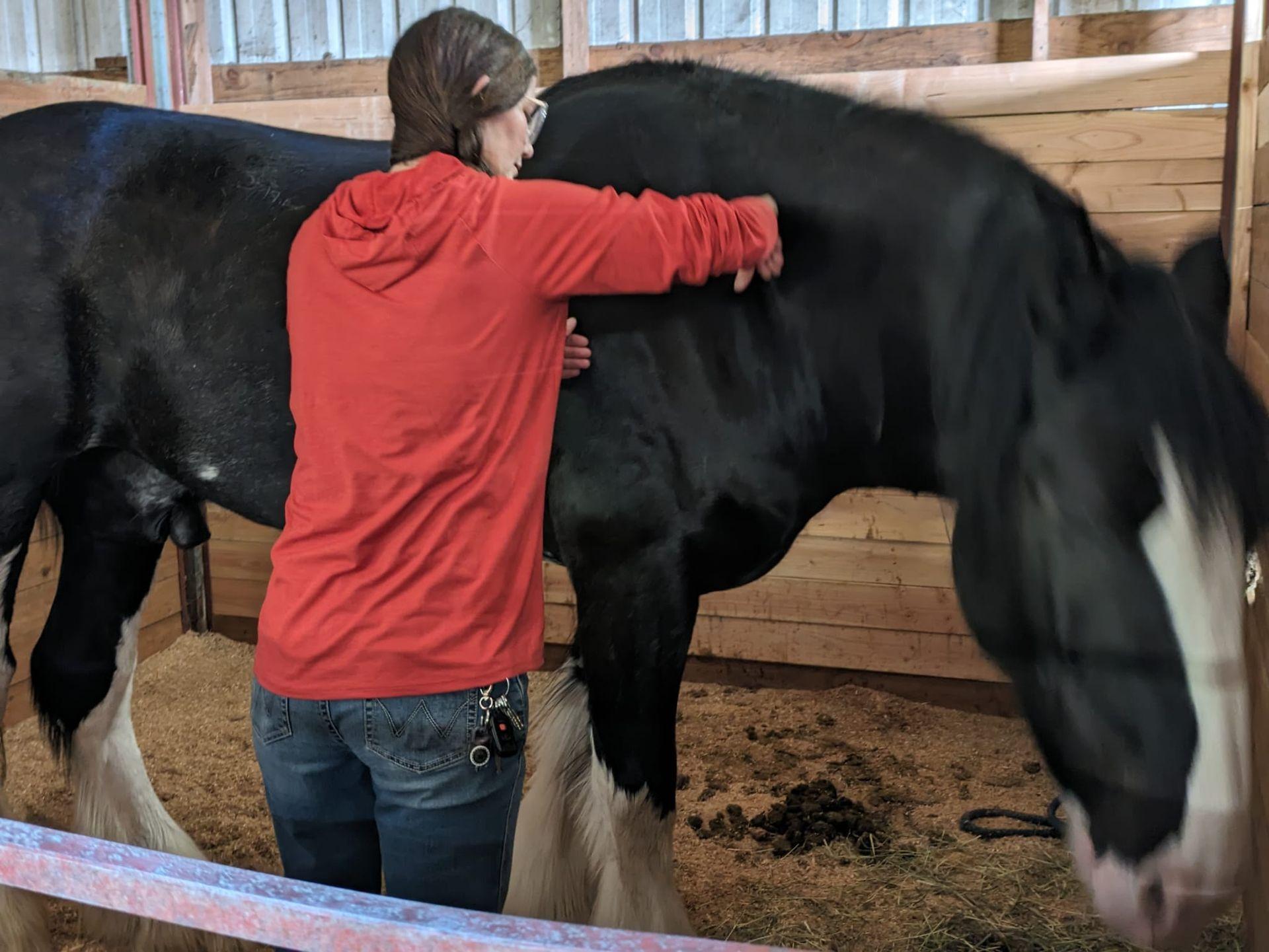
The fifth and final session of the Equine Structural Integration (ESI) series is where the full scope of the work comes together. This session is focused on consolidating the changes achieved throughout the series, ensuring your horse’s newfound balance, strength, and freedom are integrated into their body. It’s the culmination of the journey and a stepping stone to long-term health and well-being.
Purpose of Session Five
- Fine-Tuning Alignment:
By addressing any remaining tension or imbalances, this session refines the work done in earlier sessions. This ensures your horse’s posture and movement patterns are as aligned and harmonious as possible. - Encouraging Stability:
With restrictions released and balance restored, this session focuses on helping your horse maintain these changes. A stable foundation supports long-term resilience, reducing the likelihood of injury or strain. - Supporting Integration:
This session supports your horse to integrate the work so far—front to back, top to bottom, and side to side. The aim is a unified, cohesive movement pattern that supports their comfort, performance, and overall quality of life.
Benefits of Session Five
- Lasting Balance: Your horse gains a stable and well-aligned body that supports them in all aspects of movement and posture.
- Improved Confidence: By the final session, many horses display increased trust in their bodies and their guardians, reflecting in their willingness to move and engage.
- Enhanced Performance: With alignment and freedom of movement fully integrated, your horse can perform with grace, power, and efficiency.
- Ongoing Resilience: The foundational changes established in the series help your horse adapt to physical demands and maintain their well-being over time.
By the end of session five, your horse has reached a new level of balance, strength, and coordination. Many guardians notice their horse feels lighter, more responsive, and eager to move. The work from this session often leaves a lasting impact, setting your horse up for success in their daily activities, training, or competition.
Session five is where transformation continues into lasting change—a step in your horse’s journey toward thriving in every stride.
Maintenance sessions every three to six months or as needed.
Help your horse to feel and learn to move in balance:
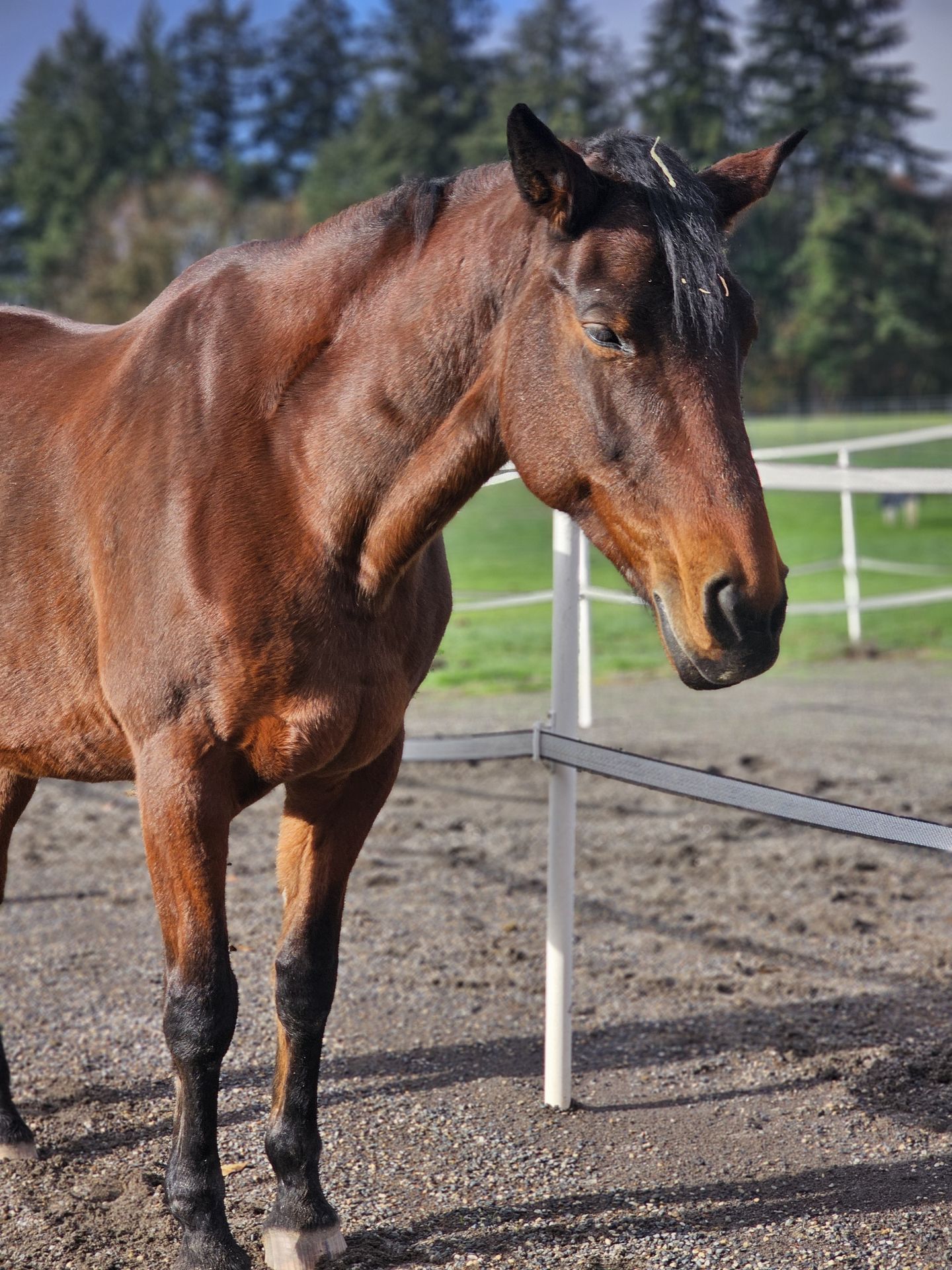
Your horse may feel active and frisky immediately after a session. Alternatively, they may feel like taking a rest. It's good practice to take a walk after the session. This will help to integrate the structural changes in the horse’s body and allow the work to begin to integrate.
Turnout on safe and stable footing can be helpful. They may want to roll and explore how their body feels. They might want to run, roll kick up their heels, and feel, feel, feel. This is a great way for them to explore their new flexibility, balance, and spacial awareness. This is an important part of the session. It helps horses know what they are now capable of doing.
Sometimes a horse might overdo the exploration of her new flexibility. If she's still racing, running and rolling after 30 minutes, you might want to bring her in for the night. Most horses have common sense about what they can do, but every once in awhile a horse feels so good she wants to maximize their movement and sensation. If soreness is a concern to you, monitor her pasture play that day.
*Do not ride for 24 hours following a session to allow your horse to move without your weight and input.
**Do half of a normal workout the following day which allows the horse to move around while still processing and integrating the neuromuscular changes that have taken place.
***Please follow any other suggestions given after a session regarding movement or limited weight-bearing/riding. This helps the integration process and to limit old patterns returning.
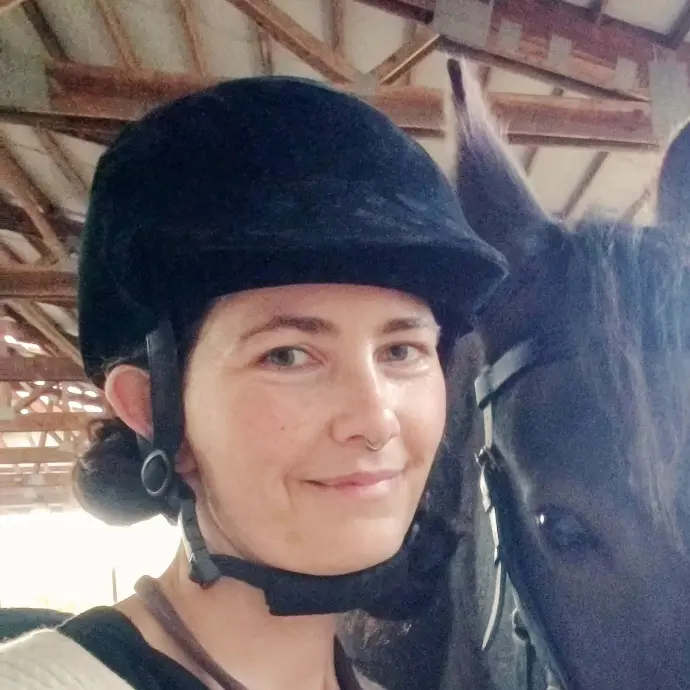
Brittany McConnell, Founder
Founder and chief visionary, specializing in Equine Structural Integration, Brittany employs a holistic approach to address imbalances and enhance the biomechanics of horses. She combines technical expertise with a profound understanding of equine anatomy, promoting optimal movement and overall health in every session.
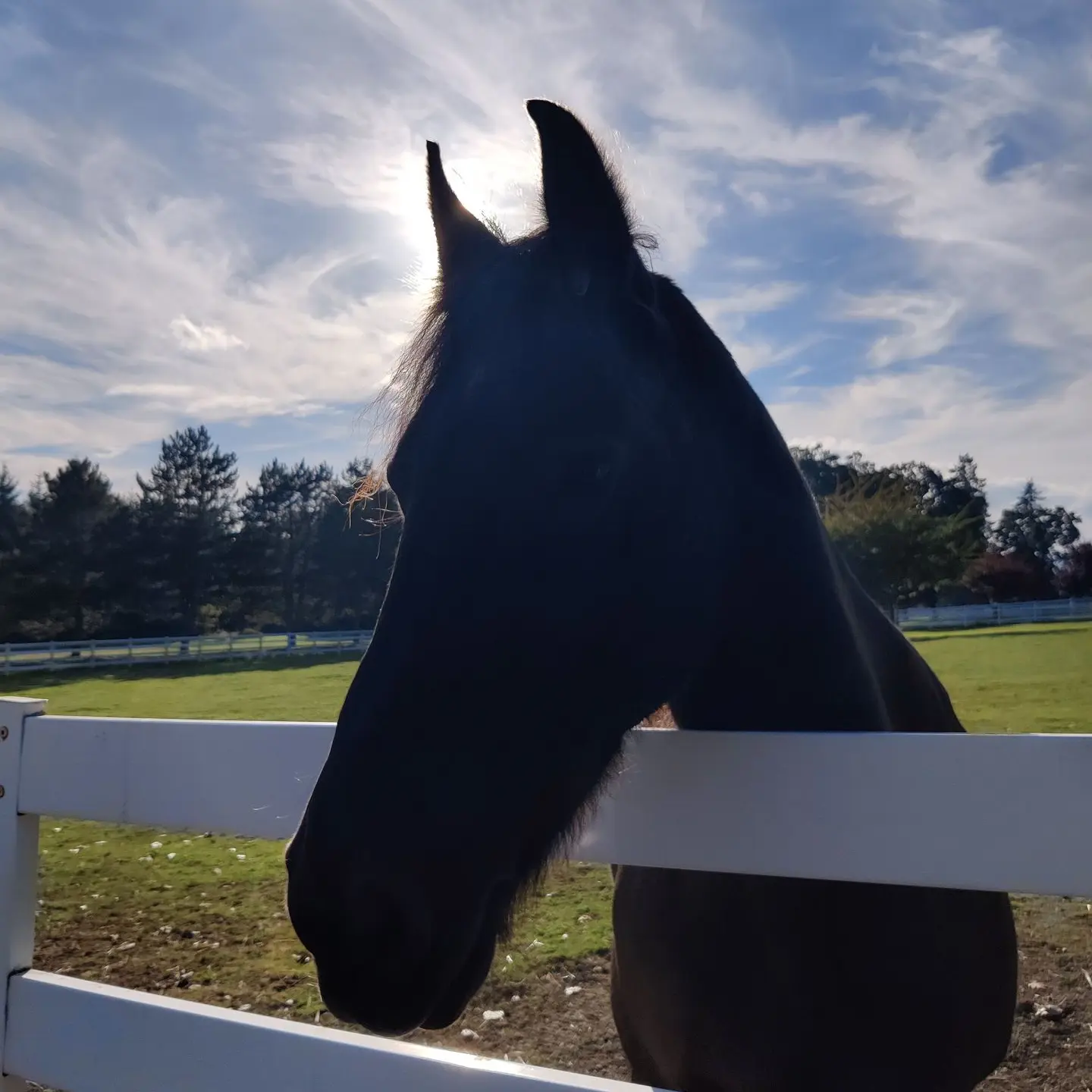
Arabella
Arabella, crossed over in 2024, a beloved equine partner and an excellent bodywork teacher.
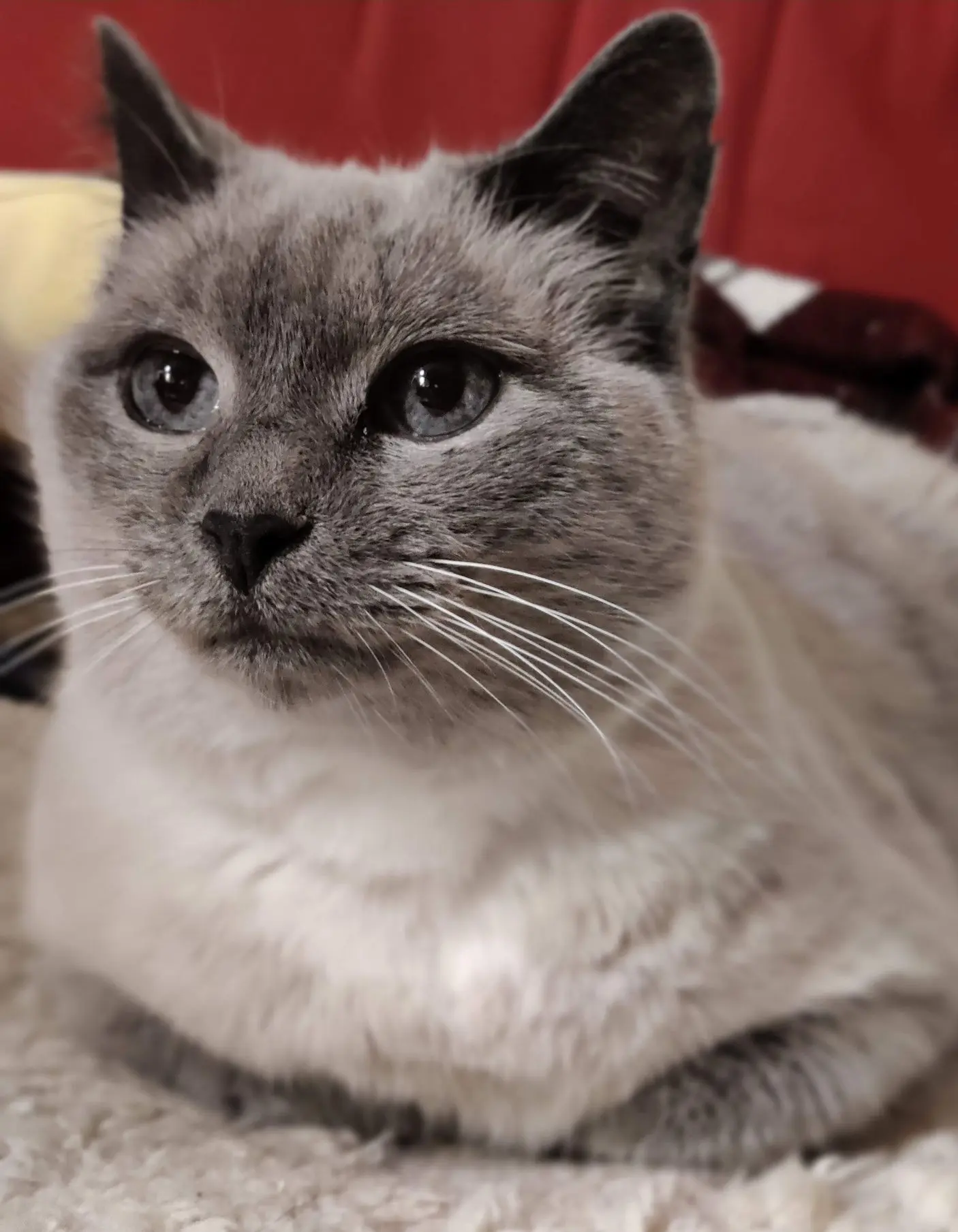
Minka, Supervising Feline
Minka runs the show from her throne behind the scenes.

Bubbas, Treat Manager
Bubbas, aka Mr. Man, aka Kabochan makes sure the treats keep flowing.
Ready to See the Difference?
Experience the transformative power of Equine Structural Integration. Whether you’re addressing specific concerns or looking to support your horse’s overall wellbeing, ESI offers unparalleled benefits for horses of all ages and disciplines.
Contact me today to schedule a session and give your horse the gift of comfort, balance, and vitality.